Conducting business in the Underworld: The Deep Web’s Most Notorious Exchanges
In recent years, the dark web has gained notoriety for its secret marketplaces that allow exchanges far removed from the scrutiny of conventional online commerce. These darknet markets serve as a haven for the trade of items and offerings that often exist outside the boundaries of legality, ranging from illicit drugs and counterfeit currencies to cyber tools and hacked information. The attraction of anonymity and the guarantee of untraceable transactions have drawn countless participants into these sinister corners of the internet, creating a intricate ecosystem that thrives on both commerce and secrecy.
As we delve into the most infamous dark web markets, it becomes clear that these venues are not merely online flea markets for the unlawful. They embody a sophisticated network of buyers and sellers who operate under a shroud of encryption, employing multiple methods to ensure their interactions remain hidden from law enforcement and curious onlookers. Understanding the mechanics of these markets reveals not just the character of their offerings, but also the advancements in technology and societal issues that underpin this underground world.
Grasping the Dark Web
The dark web refers to a segment of the internet that is not cataloged by standard search engines. It exists on an encrypted network, accessible only through specialized software such as Tor. This stratum of the internet allows users to function privately, both in terms of exploring and exchanges. While it is commonly associated with criminal activities, the dark web serves various legitimate roles, including protecting privacy for reporters and activists in repressive regimes.
Navigating the dark web is remarkably unlike from using the regular internet. Users should take precautions to protect their identities, which often involves the use of VPNs and other protective techniques. This ecosystem fosters a special culture where information is exchanged openly among those seeking to bypass control or watchfulness. The anonymity offered by the dark web can lead to both positive and detrimental outcomes, as it allows not only valid conversations but also criminal exchanges.
In latest years, dark web markets have gained notoriety for their role in the trade of illegal goods and services, including drugs, arms, and counterfeit products. While some markets have been shut down by police, new ones often emerge to take their position. These markets often make use of virtual currencies for transactions to improve security. As such markets continue to develop, they continue to be a crucial piece of the dark web landscape, drawing interest from both interested parties and officials seeking to grasp this hidden realm.
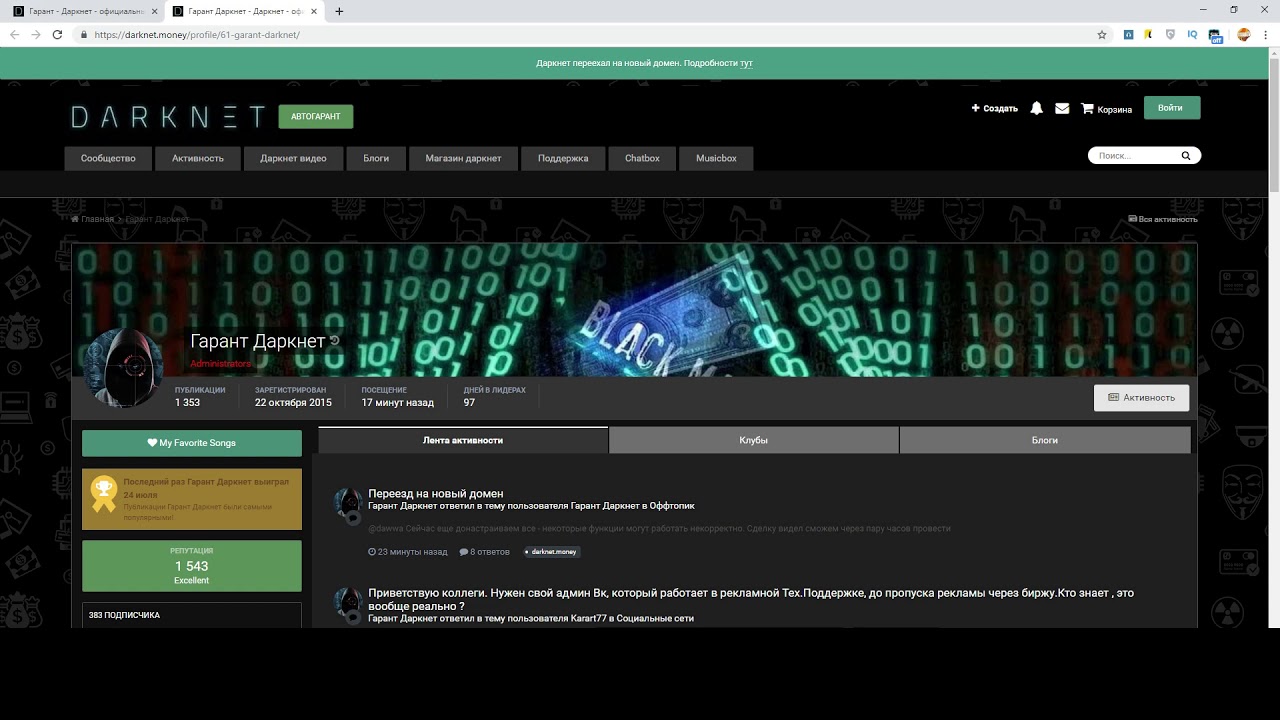
The Rise of Notorious Darknet Markets
The emergence of darknet markets can be traced back to the early 2010s, with the debut of Silk Road, the first and most infamous online marketplace operating on the dark web. Silk Road’s innovative model allowed users to buy and trade a variety of illegal goods and services, mainly drugs, using cryptocurrency to ensure anonymity. This trailblazing platform not only revolutionized the online drug trade but also set the foundation for a multitude of other markets that would ensue, capitalizing on the demand for private transactions.
As law enforcement agencies intensified their efforts to disable these hidden platforms, new darknet markets quickly emerged to soothe the void left by their ancestors. darknet drugs aimed to improve on the concept by introducing better privacy measures, user-friendly interfaces, and multiple product offerings. Markets such as Market Alpha and Dream Market became well-known entities within the underground community, luring countless users seeking unlimited access to illegal goods that mainstream markets could not offer.
The resilience of these darknet markets emphasizes a flourishing subculture that values privacy and anonymity in the online age. Despite persistent threats from law enforcement and the intrinsic dangers of engaging in illegal activities, the demand for darknet services has only escalated. This continuity propels the continuous evolution of the dark web, making it a fascinating cyberspace hub that competes with, and often outsmarts, traditional law enforcement efforts.
Law enforcement bodies across the globe are increasingly proficient at traversing the challenges of the deep web to combat illegal activities. Initiatives focused on infamous dark web markets have increased, resulting in significant arrests and the closure of key platforms. These efforts highlight the commitment of authorities to destroy networks that support everything from drug trafficking to cybercrime, indicating that anonymity is not an unbreakable shield.
A notable instance of a successful crackdown was the collapse of Silk Road in 2013, which created a model for future operations. Following this closure, many other dark web markets faced similar fates, as law enforcement employed cutting-edge technological tools and intelligence-sharing collaborations. These crackdowns have also impeded the operations of these markets but have also served as a deterrent, proving that engaging in illicit activities on the dark web carries serious dangers.
Yet, the dark web is remarkably resilient, with new markets regularly surfacing to fill the void left by those taken down. Criminals continue to create, utilizing sophisticated methods to evade detection. As law enforcement responds to these changes, an ongoing cat-and-mouse game continues, highlighting the challenge of regulating the dark web while maintaining privacy for legitimate users. The battle against dark web crime is far from over, with authorities resolute in staying one step ahead in this complex and evolving landscape.